Last Updated: February 24, 2026
What is the best mattress for your sleep position?
Article Summary:
The best mattresses by sleep position depend on how your body distributes weight and maintains spinal alignment. Side sleepers typically need pressure-relieving memory foam or hybrid mattresses to cushion shoulders and hips. Back sleepers benefit from medium-firm support that keeps the spine neutral, while stomach sleepers require firmer surfaces to prevent lower back strain. Combination sleepers do best with responsive hybrid or latex mattresses that allow easy movement. Choosing the right firmness and material can reduce back, shoulder, and hip pain while improving overall sleep quality.
Understanding the Main Mattress Types
Before choosing based on sleep position, it helps to understand how each mattress type performs.
Memory Foam Mattresses
Contour closely to the body and provide strong pressure relief and motion isolation. Made from viscoelastic foam, they respond to heat and pressure to create a cradling feel.
Hybrid Mattresses
Combine a coil support core with foam or latex comfort layers. They balance contouring with structural support and better airflow.
Innerspring Mattresses
Built primarily with steel coils and thinner comfort layers. They feel firmer, more responsive, and typically offer strong edge support.
Latex Mattresses
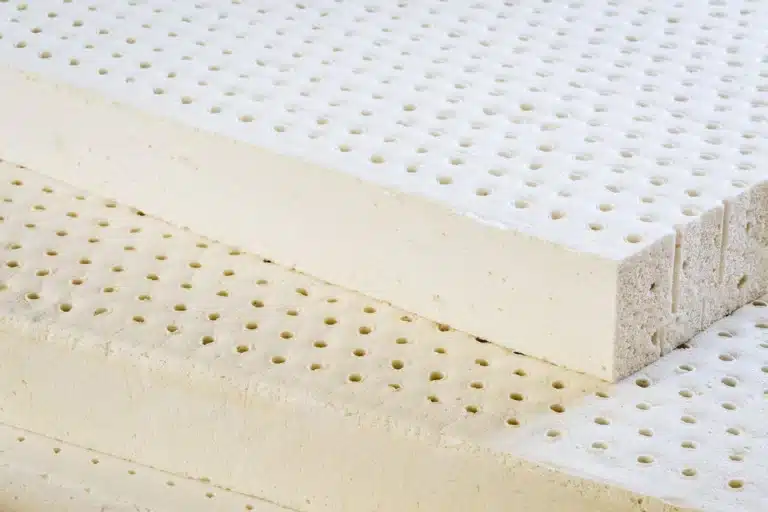
Made from natural or synthetic rubber, latex provides responsive support with a buoyant feel and strong durability.
Quick Comparison Chart
| Mattress Type | Pros | Cons | Best For |
|---|---|---|---|
| Memory Foam | Excellent pressure relief, motion isolation, affordable | Can sleep hot, slower response, potential off-gassing | Side sleepers, couples, budget buyers |
| Hybrid | Balanced support, cooling, responsive, versatile | More expensive, heavier | Combination and back sleepers, hot sleepers |
| Latex | Durable, cooling, bouncy, eco-friendly | Expensive, heavy, possible allergies | Hot sleepers, eco-conscious buyers, long-term use |
| Innerspring | Bouncy, strong edges, affordable | Less contouring, potential noise | Stomach sleepers on a budget |
Tips for Choosing the Best Mattress for You
Support and Firmness
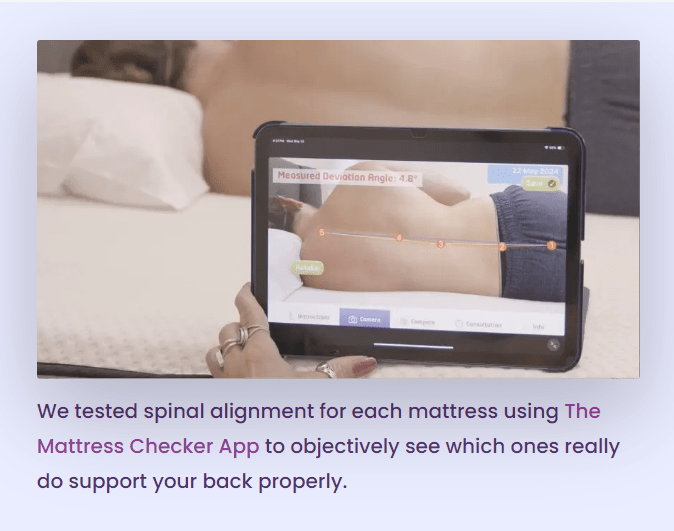
Choose firmness based on your sleep position so your spine stays neutral, not dipped or arched. Back and stomach sleepers usually need firmer support, while side sleepers typically need more contouring. For spinal alignment-focused support, you can reference the Back Science Series 2 review.
Pressure Relief
If you’re a side sleeper or you wake up with shoulder or hip discomfort, prioritize pressure relief. Look for materials that contour to the body to reduce pressure points.
Motion Isolation
If you share a bed, motion control matters. Memory foam generally isolates movement better than spring-based beds, and many hybrids with pocketed coils can also reduce motion transfer.
Temperature Regulation
If you sleep hot, prioritize airflow and breathable materials. Hybrids tend to sleep cooler than memory foam mattresses because coils allow airflow, and latex is naturally more temperature-neutral. If you also care about cleaner materials, point readers to your best organic mattresses page.
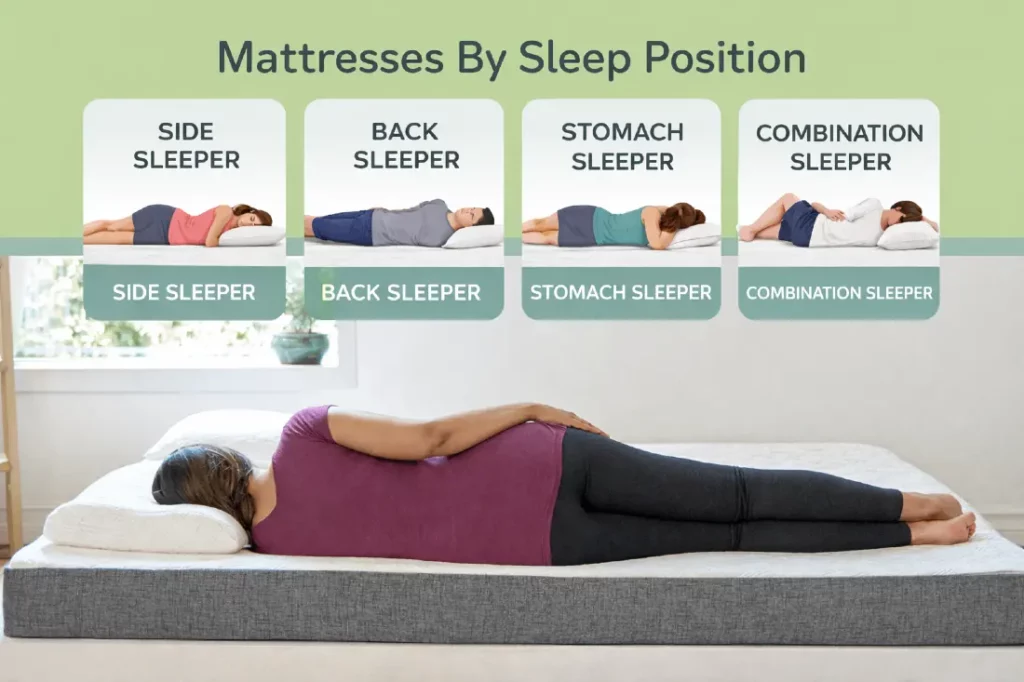
Mattresses By Sleep Position
Best Mattress for Side Sleepers
Ideal Firmness: Medium to Medium Soft (4 to 6 out of 10)
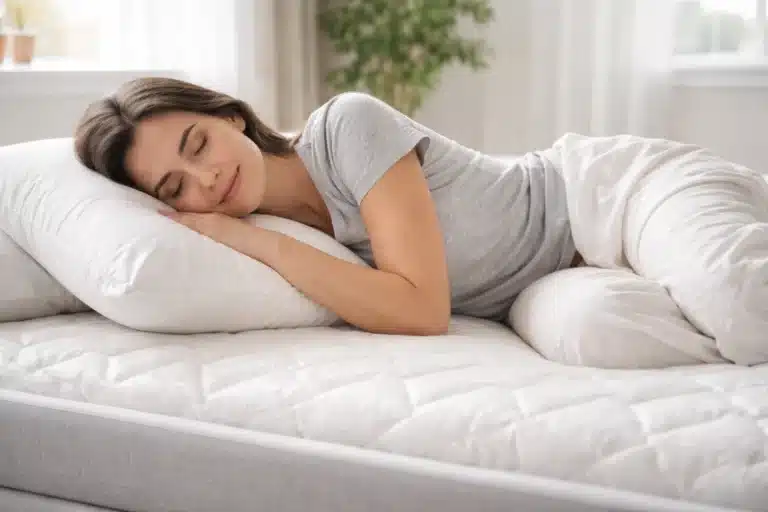
Side sleepers place the most pressure on their shoulders and hips. A mattress that contours properly reduces pressure while supporting the waist to maintain spinal alignment. Memory foam and pressure-relieving hybrids tend to perform best.
Best Mattress for Back Sleepers
Ideal Firmness: Medium Firm to Firm (6 to 7 out of 10)
Back sleepers need balanced support that prevents the hips from sinking too deeply. Hybrid mattresses and medium-firm foam models typically keep the spine aligned and reduce lower back strain. For sleepers focused specifically on posture and alignment, options like the Back Science Series 2 mattress are designed around structured spinal support.
Best Mattress for Stomach Sleepers
Ideal Firmness: Firm to Extra Firm (7 to 9 out of 10)
Stomach sleepers require firmer support to prevent the hips from dipping forward. A firm hybrid, latex, or supportive innerspring mattress helps keep the body in a flatter plane and reduces lower back strain.
Best Mattress for Combination Sleepers
Ideal Firmness: Medium to Medium Firm (5 to 6.5 out of 10)
Combination sleepers move throughout the night. A responsive mattress, such as a hybrid or latex mattress, allows for easier repositioning while maintaining balanced support across multiple sleep positions.
Choosing Based on Your Primary Sleep Position
Many people think they are combination sleepers, but most still have a dominant position. If you spend most of the night on one side, choose based on that primary position. The longest stretch of sleep has the greatest impact on alignment.
When Sleep Position and Pain Intersect
If you wake up with lower back pain, shoulder tension, or hip discomfort, your mattress may not be supporting your sleep position properly. Side sleepers often feel pressure on mattresses that are too firm, while back and stomach sleepers can experience strain if the hips sink too deeply.
If back pain is a recurring issue, explore our guide to the best mattresses for back pain for more targeted recommendations.
Considering Organic and Non-Toxic Materials
For sleepers who prioritize material safety and sustainability, natural latex and certified organic mattresses can provide support with fewer synthetic components. You can explore our recommendations for the best organic mattresses for more eco-conscious options.
Frequently Asked Questions
How does sleep position affect the type of mattress you should choose?
Sleep position changes how your body distributes weight on the mattress. Side sleepers usually need more cushioning around the shoulders and hips, while back sleepers need balanced support to keep the spine neutral. Stomach sleepers typically require firmer mattresses to prevent the hips from sinking too deeply and straining the lower back.
What mattress firmness is best for different sleep positions?
Side sleepers generally do best with medium to medium soft mattresses (around 4 to 6 out of 10) for pressure relief. Back sleepers typically need medium firm support (around 6 to 7 out of 10) to maintain spinal alignment. Stomach sleepers usually benefit from firmer mattresses (7 to 9 out of 10) to prevent hip sinkage.
Which mattress type is best for pressure relief?
Memory foam mattresses are widely known for pressure relief because they contour closely to the body. Hybrid mattresses can also perform well by combining foam comfort layers with supportive coils, helping cushion pressure points while maintaining structure.
Do hybrid mattresses sleep cooler than memory foam?
Hybrid mattresses often sleep cooler than traditional memory foam because the coil support layer allows more airflow through the mattress. Latex mattresses also tend to sleep cooler due to their naturally breathable structure.
Are latex mattresses a good option for durability and natural materials?
Latex mattresses are known for durability and responsiveness. Natural latex models are often chosen by sleepers who prefer eco-friendly materials because they can be made with rubber, cotton, and wool instead of synthetic foams.
Can the wrong mattress cause back or shoulder pain?
Yes. If a mattress does not properly support your primary sleep position, it can lead to pressure points or spinal misalignment. Side sleepers may experience shoulder or hip pressure on mattresses that are too firm, while back or stomach sleepers may develop lower back strain if the hips sink too deeply.
Final Thoughts
Choosing the best mattress by sleep position starts with understanding how your body distributes weight during the night. Side sleepers typically need more pressure relief to cushion the shoulders and hips, while back sleepers benefit from balanced support that keeps the spine in a neutral position. Stomach sleepers usually require firmer surfaces to prevent the hips from sinking too deeply, and combination sleepers often do best with responsive mattresses that make it easier to move between positions.
If you frequently wake up with stiffness or discomfort, your mattress may not be supporting your sleep posture properly. In those cases, exploring mattresses designed specifically for spinal support can help. Our guide to the best mattresses for back pain highlights options built to improve alignment and reduce pressure on the lower back.
Material choice also plays an important role. Memory foam mattresses remain one of the most popular options because they contour closely to the body, provide strong pressure relief, and are often more affordable than many hybrid or latex models. If you want a comfortable, supportive bed that is easy to order and set up at home, explore our guide to the best memory foam mattresses.
For sleepers who prefer natural materials or want to avoid synthetic foams, you may want to consider certified organic mattresses made with latex, cotton, and wool. You can learn more in our guide to the best organic mattresses, which covers eco-friendly beds designed for comfort and durability.
Ultimately, the best mattress for your sleep position should support your spine, relieve pressure points, and help you wake up feeling rested. By matching mattress type, firmness, and materials to the way you sleep, you can significantly improve both comfort and long-term sleep quality.