Last Updated: February 21, 2026
DubsLabs Sleep Headphones: Are Bedphones actually comfortable?
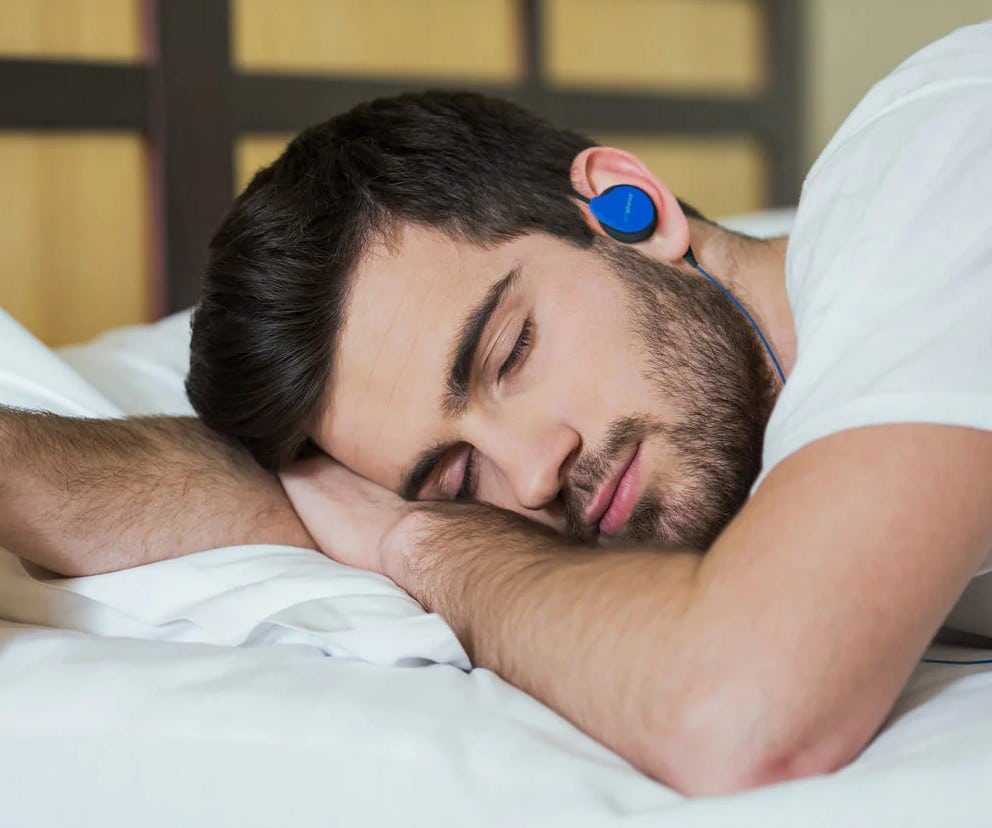
Bedphones Sleep Headphones by DubsLabs are ultra-thin, on-ear headphones designed for listening in bed without the ear-canal pressure of traditional earbuds. They come in wired ($89) and wireless Bluetooth ($149) versions and are best for podcasts, audiobooks, meditation, ASMR, and calming music. Bedphones prioritize comfort over noise blocking, so they are not noise-canceling, and side-sleeper comfort can vary depending on pillow firmness and fit adjustment.
DubsLabs Bedphones Sleep Headphones
-
1. Bedtime Comfort
-
2. Side-Sleeper Comfort
-
3. Sound Audio Quality
-
4. Noise Isolation / Sound Blocking
-
5. Nightly Ease of Use
Summary
Sleep Examiner Rating Overview
Bedphones are built for comfort first. They score strongest in bedtime wearability and spoken-audio clarity, while noise isolation and universal side-sleeper fit remain the trade-offs. Overall, they perform well for wind-down listening, not immersion.
DubsLabs Bedphones: A Low-Profile Option for Falling Asleep to Sound
If falling asleep includes a podcast, breathwork, Hz frequencies, binaural beats, or a late-night audiobook, you already know the challenge: most headphones aren’t designed for horizontal life. Earbuds press into the ear canal. Over-ear headphones push into the pillow. Even soft headbands can shift during the night.
Bedphones were built specifically to solve that friction.
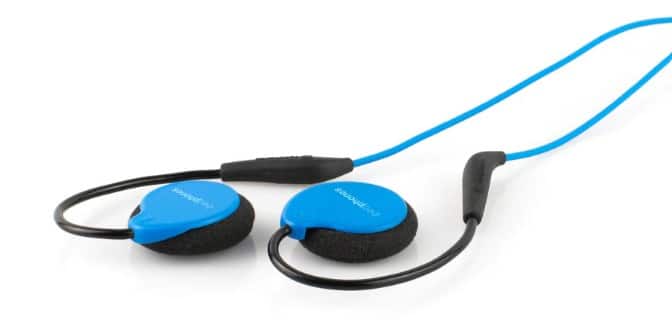
DubsLabs designed the Bedphones as ultra-thin, on-ear sleep headphones that rest gently over the ear rather than inside it. A flexible memory-wire hook holds a slim foam-covered speaker in place. Nothing seals the canal. Nothing clamps around the head.
It’s a simple concept, but in practice it can change the experience more than you’d expect. The real question isn’t whether they play sound. It’s whether they’re comfortable enough to use night after night.
How Do the Bedphones Sleep Headphones Perform?
Based on user reviews and trusted review sites.
Performance Score:
1. Bedtime Comfort — ★★★★☆ (4/5)
This is the strongest category. They’re built for horizontal use, and most people find them noticeably more comfortable than earbuds. Not perfect, but clearly above average.
2. Side-Sleeper Comfort — ★★★☆☆ (3/5)
Some love them. Some feel pressure on the pillow-side ear. It’s adjustment- and pillow-dependent. Not a guaranteed win for every side sleeper.
3. Sound Audio Quality — ★★★★☆ (4/5)
For podcasts, meditation, ASMR, calming music — very solid. Not immersive or bass-heavy, but that’s not the goal.
4. Noise Isolation / Sound Blocking — ★★☆☆☆ (2/5)
They’re not noise-canceling and don’t block much external sound. This should score lower for credibility.
5. Nightly Ease of Use — ★★★★☆ (4/5)
Wireless: clean and convenient once paired. Wired: simple and no charging. Some durability and Bluetooth comments keep it from being a 5.
What Makes Bedphones Different?
Bedphones come in two versions:
- Bedphones Wireless (Bluetooth) – $149
- Bedphones Wired – $89
Both share the same core design: thin speakers (roughly ¼-inch profile), soft foam padding, and adjustable ear hooks that you shape to your ears. These are not everyday lifestyle headphones. They’re designed for one thing: lying down.
Because nothing sits inside the ear canal, many people who struggle with in-ear irritation describe immediate relief. In longer-term user conversations, back sleepers in particular often say that once adjusted properly, they stop noticing them.
Thin doesn’t mean invisible. It means reduced pressure, not zero contact.
Wired vs Wireless: Choosing Based on How You Sleep
Bedphones Wireless ($149)
The wireless version eliminates cords entirely. If you move a lot at night, sleep with your phone on a nightstand, or simply dislike cables in bed, this is the cleaner option. Many users report battery life that’s long enough to cover multiple nights if they primarily use them to fall asleep.
The tradeoff is maintenance: charging and the occasional Bluetooth quirk that comes with any wireless device.
Bedphones Wired ($89)
The wired version is refreshingly simple. No charging. No pairing. Just plug in and press play. It’s also the lower-cost option.
The tradeoff is obvious: you’re managing a cord in bed. Some sleepers don’t mind. Others find it distracting. This decision has less to do with sound quality and more to do with your tolerance for friction in your routine.
Comfort: Where Bedphones Stand Out
Comfort is the real selling point. Because the speakers rest over the ear rather than inside it, many people who get soreness from earbuds find Bedphones noticeably gentler. That difference tends to matter most for people who rely on audio nightly.
Back sleepers tend to report the smoothest experience. The low profile sits lightly against the head without digging into the pillow.
What About Side Sleepers?
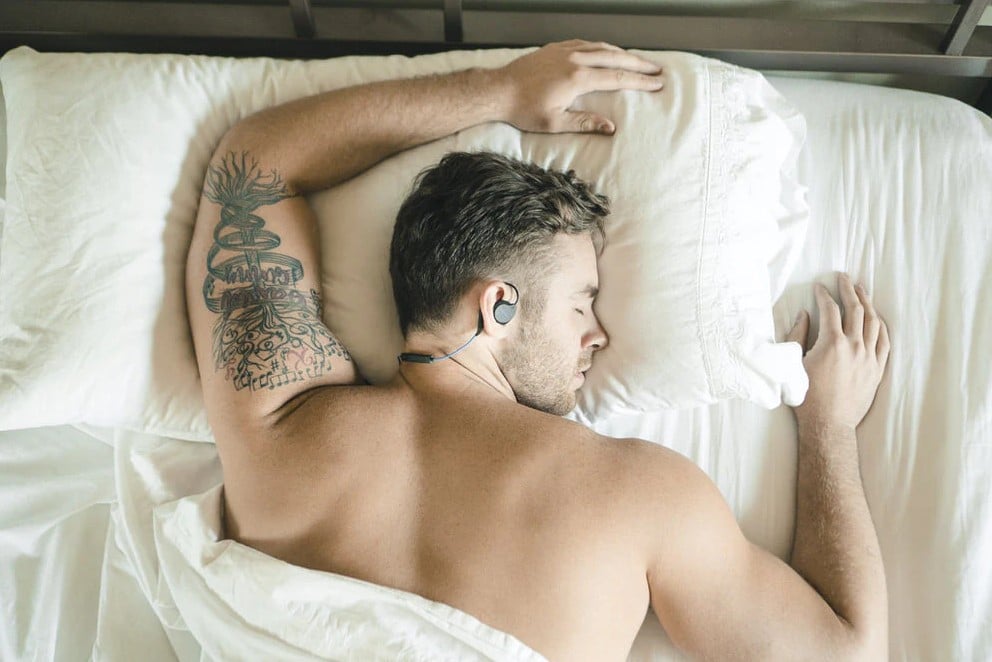
Side sleeping is more nuanced. Some side sleepers describe Bedphones as one of the only headphone styles they can tolerate in bed because the profile is thinner than traditional headphones. Others report mild pressure against the pillow-side ear, especially with firmer pillows or frequent movement.
They significantly reduce bulk compared to standard headphones, but they don’t eliminate all pressure. Adjustment plays a larger role than many expect. Shaping the memory wire correctly and experimenting with pillow firmness can make a noticeable difference. Some users also mention that slick pillowcases can increase shifting, while cotton tends to hold them in place better.
Workable for many side sleepers, but not universally invisible.
Sound Quality: Built for Wind-Down, Not Immersion
Bedphones aren’t designed to impress audiophiles. They’re designed for bedtime.
Where they tend to perform best:
- Podcasts
- Audiobooks
- ASMR
- Guided meditation
- Breathwork
- Soft ambient or frequency-based tracks
Users generally describe the sound as clear and balanced for spoken content. Bass is modest. Volume is sufficient but not overpowering.
They’re not meant to flood your senses. They’re meant to support winding down.
Noise Blocking: Setting the Right Expectation
Bedphones are not noise-canceling. They do not create strong isolation from environmental sound. If your goal is to block heavy snoring or loud outside noise, this isn’t the right category of product. For mild masking, especially when paired with low-volume audio, many users find them adequate. It’s best to view them as a comfort solution, not a silence solution.
Durability: A Realistic Note
In longer-term user conversations, durability occasionally comes up. Some mention general wear after consistent nightly use, while wireless users sometimes report Bluetooth issues, like intermittent dropouts or pairing problems, after extended periods (often 6-12 months). These feel like specialized sleep tools rather than rugged, multi-purpose headphones built for heavy handling.
Who Bedphones Are Actually For
Bedphones make sense if:
- You fall asleep to spoken audio or calming sounds
- In-ear devices irritate your ears
- Comfort matters more than noise blocking
- You want something lower profile than headband headphones
They make less sense if:
- You need strong sound isolation
- You prioritize bass and immersive audio
- You’re extremely sensitive to any ear pressure at all
FAQ: Bedphones Sleep Headphones
Are Bedphones good for sleeping?
Designed specifically for bedtime listening and generally more comfortable than traditional headphones for lying down.
Do they work for side sleepers?
For many, yes, especially compared to bulkier designs. Pillow firmness and ear sensitivity play a role.
Do Bedphones block snoring?
No. They are not noise-canceling and do not provide strong passive isolation.
What’s the difference between wired and wireless?
Wireless eliminates cords but requires charging. Wired avoids charging but introduces a cable in bed.
Can you wear them all night?
Some users do. Others use them to fall asleep and remove them later. Comfort depends on sleep position and movement.
Final Verdict: Comfort Over Features
Bedphones don’t promise silence, premium audio, or zero pressure for every sleep position. What they offer is a thoughtful alternative for people who rely on sound to unwind and can’t tolerate in-ear devices.
If your routine includes meditation, Hz soundscapes, breathwork, or late-night podcasts—and comfort has been your sticking point—Bedphones are a practical solution worth considering. Choose wired if simplicity matters most. Choose wireless if cords interrupt your sleep flow.
Where to Buy
Disclosure: Some links may be affiliate links. If you purchase through them, Sleep Examiner may earn a commission at no additional cost to you.