Last Updated: October 2, 2026
Could these natural supplements help you sleep better?
Article Summary:
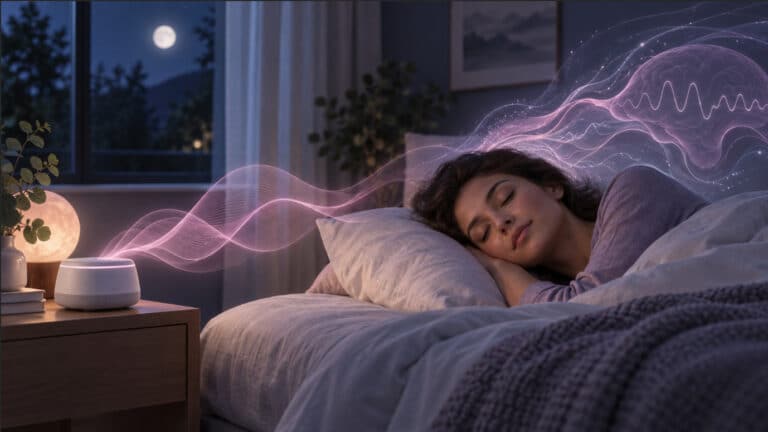
This article explains how L-Tryptophan and magnesium glycinate helped support deeper, more consistent sleep during perimenopause and menopause. It explores how hormonal shifts, chronic stress, and nervous system dysregulation can all contribute to sleep disruption, and why this supplement combination may help with nighttime waking, racing thoughts, and the wired but tired feeling many women experience during menopause.
What Was Really Disrupting My Sleep
My sleep did not fall apart all at once. It unraveled slowly over a decade.
I started looking into L-tryptophan for menopause sleep after years of broken nights and feeling like my body could no longer settle the way it used to. Perimenopause started around 40, full menopause by 50, and somewhere in the middle, there was a pile-up of caregiving, loss, and chronic stress that my system simply couldn’t absorb anymore. By the time I found what actually helped, I understood that my sleep issues were never just hormonal. Menopause lowered my buffer. Everything else came through.
I’d wake up in the middle of the night wired and exhausted, mind racing, body tense, and just lie there for hours unable to fall back asleep. My nervous system had been running hot for years and was not coming down at night. For me, that also meant looking beyond supplements and paying attention to things like breathing and how I was winding down at night.
I have always leaned toward natural approaches. As a hobby naturopath, I wanted something that would work with my body rather than override it. After a lot of research, I landed on a combination that made an immediate difference: magnesium glycinate paired with L-Tryptophan. This article explains what these two supplements are, why they work well together for menopausal sleep disruption, and how I use them.
What Is L-Tryptophan?
Tryptophan is one of nine essential amino acids, meaning your body cannot produce it on its own. It must come from food or supplementation. Once absorbed, it converts into serotonin, the neurotransmitter that stabilizes mood and reduces anxiety, and then into melatonin, the hormone that signals your body it is time to sleep. It also serves as a precursor to niacin (Vitamin B3), which supports energy production and nerve health.
For women in perimenopause and menopause, this pathway matters more than most people realize. Estrogen plays a direct role in serotonin regulation. As estrogen declines, serotonin production can drop with it, which cascades into disrupted sleep, mood instability, and the kind of nighttime anxiety that feels impossible to shake. Supporting your body’s own serotonin and melatonin production through tryptophan addresses the issue at a foundational level rather than just masking symptoms.
Benefits of L-Tryptophan
- Supports natural serotonin production for mood stability
- Converts to melatonin to help initiate and maintain sleep
- Reduces nighttime anxiety and racing thoughts
- Helps regulate the sleep-wake cycle naturally
- Non-habit-forming sleep support
- May ease mood shifts associated with hormonal changes
- Precursor to niacin, supporting energy and nerve health

What Is Magnesium Glycinate?
Magnesium glycinate is widely considered the most bioavailable and gentle form of magnesium. Unlike other forms, it is less likely to cause digestive upset and is specifically noted for its calming effect on the nervous system. The glycine it is bonded to is itself an inhibitory neurotransmitter, meaning it actively helps quiet neural activity rather than just passively supporting it.
Magnesium deficiency is also extremely common, particularly in women under chronic stress. When the body is in a prolonged stress response, magnesium is depleted faster. Low magnesium is associated with poor sleep quality, muscle tension, heightened anxiety, and an overactive nervous system at night. Replenishing it is often one of the simplest and most overlooked sleep interventions available.
Benefits of Magnesium Glycinate
- Calms the nervous system and reduces hyperarousal at night
- Highly bioavailable and gentle on digestion
- Replenishes magnesium depleted by chronic stress
- Reduces muscle tension that interferes with sleep
- Glycine component actively quiets neural activity
- Supports healthy cortisol regulation
- May help reduce night sweats and anxiety in menopausal women
Why These Two Work Well Together
The reason this combination works is that L-Tryptophan and magnesium glycinate address sleep disruption through different but complementary pathways. L-Tryptophan supports the upstream production of serotonin and melatonin, giving your body the raw material it needs to initiate and maintain sleep. Magnesium glycinate calms the nervous system and reduces the cortisol-driven hyperarousal that keeps so many women awake during menopause.
For women whose sleep issues are layered, meaning there is both a hormonal component and a nervous system component, taking only one of these may produce partial results. Together, they cover more of the picture. That was certainly true for me.
My Experience
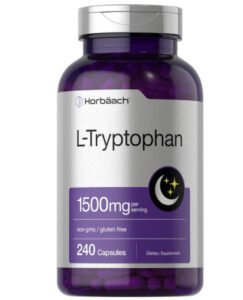
I started with a low dose of L-Tryptophan about 30 minutes before bed, taken alongside magnesium glycinate. The L-Tryptophan I use is Horbäach’s 1500mg Nighttime Formula capsules, and the magnesium glycinate I take is from Pure Encapsulations. Both have worked well for me and have been easy to incorporate into my nightly routine.
The effect was almost immediate. I fell asleep faster, stayed asleep longer, and woke feeling rested in a way I had not in years. It did not sedate me or leave me groggy. It felt more like my body finally remembered how to wind down on its own.
This wasn’t a standalone fix. Supplements do not exist in a vacuum. I use these alongside other sleep supports like headphones (like Dubslab Bedphones), a sleep mask, a fan for white noise, and breathwork, all of which help signal to my body that it is safe to settle. The combination of L-Tryptophan and magnesium glycinate was a meaningful addition, but it worked best as part of a broader approach rather than a standalone fix.
One thing I particularly appreciate is that I do not feel dependent on it. I reach for it during high-stress periods, after travel, or when hormones feel particularly volatile. The fact that I can use it selectively and it still works matters a lot to me.
A Note on Individual Response
Not everyone responds to L-Tryptophan the same way. I’ve also seen mixed results in others during the same period and found it inconsistent, sometimes producing grogginess rather than restful sleep. This likely comes down to differences in hormonal balance, cortisol patterns, and how efficiently the body converts tryptophan through its metabolic pathway. Some research suggests that hormonal imbalances can divert tryptophan metabolism away from serotonin production and toward inflammatory pathways instead, which may explain why results vary.
Start with a low dose and give it at least a week before drawing conclusions. Pay attention to how you feel in the morning, not just whether you fell asleep faster.
Tryptophan-Rich Foods Worth Adding to Your Diet
Supplementation is one option, but tryptophan is also found in a range of common foods. Including more of these in your diet, particularly in the evening, can provide gentle ongoing support:
- Poultry: turkey and chicken are among the most concentrated sources
- Fatty fish: salmon and tuna pair tryptophan with omega-3 fatty acids that also support mood and sleep
- Nuts and seeds: almonds, chia seeds, and sunflower seeds offer plant-based options
- Dairy: milk and yogurt, especially as an evening snack with a small amount of carbohydrate to aid absorption
- Eggs: versatile and reliably tryptophan-dense
- Vegetables & Fruits: Spinach, potatoes, broccoli, bananas, and pineapple.
Important Considerations Before You Start
L-Tryptophan is not appropriate for everyone. If you take any medications that affect serotonin, including antidepressants, SSRIs, or MAOIs, adding L-Tryptophan carries a risk of serotonin syndrome and should only be done under medical supervision. Always consult a healthcare provider before adding it to your routine, particularly if you have existing health conditions.
For best absorption, take L-Tryptophan on an empty stomach or with a small carbohydrate snack. Avoid taking it alongside high-protein foods, which compete for the same transport pathway and reduce how much reaches the brain.
Final Thoughts
Menopause-related sleep disruption is real, cumulative, and often more complex than it gets credit for. When hormonal shifts layer on top of chronic stress, grief, or caregiving exhaustion, the body does not just need sleep support. It needs nervous system support, too. It also needs the right sleep environment, especially if you tend to overheat or wake up uncomfortable during the night. That is what this combination offered me.
If you are navigating this phase and sleepless nights are taking their toll, L-Tryptophan and magnesium glycinate are worth exploring. They are gentle, non-habit-forming, and backed by solid science. Start low, be patient, and pay attention to what your body tells you. Sometimes the most effective support is the kind that works quietly alongside your own biology rather than against it.
Note: Always consult a healthcare provider before starting any new supplement, especially if you take medications or have existing health conditions.
Disclaimer: This information is for educational purposes only and does not substitute for professional medical advice. Always consult a healthcare provider or physician before starting any new supplement regimen.